Caerphilly Castle Interpretation Regeneration
Client
CADW
Place
Caerphilly Castle
When
2025-
Engaging heritage spaces through projection and lighting
Heritage sites hold centuries of stories within their walls — but bringing those stories to life for modern audiences requires more than a simple spotlight. Blackbeam specialises in creating sympathetic, atmospheric light and projection installations that enhance visitor engagement while respecting the integrity of historic architecture.
Caerphilly Castle is the second largest castle in Britain and a popular visitor attraction, managed by Cadw (the Welsh government’s historic environment service). Blackbeam- LTP was brought on board for a £10 million project to upgrade the visitor experience, working to deliver content made by creative agency, Jam Creative Studios.
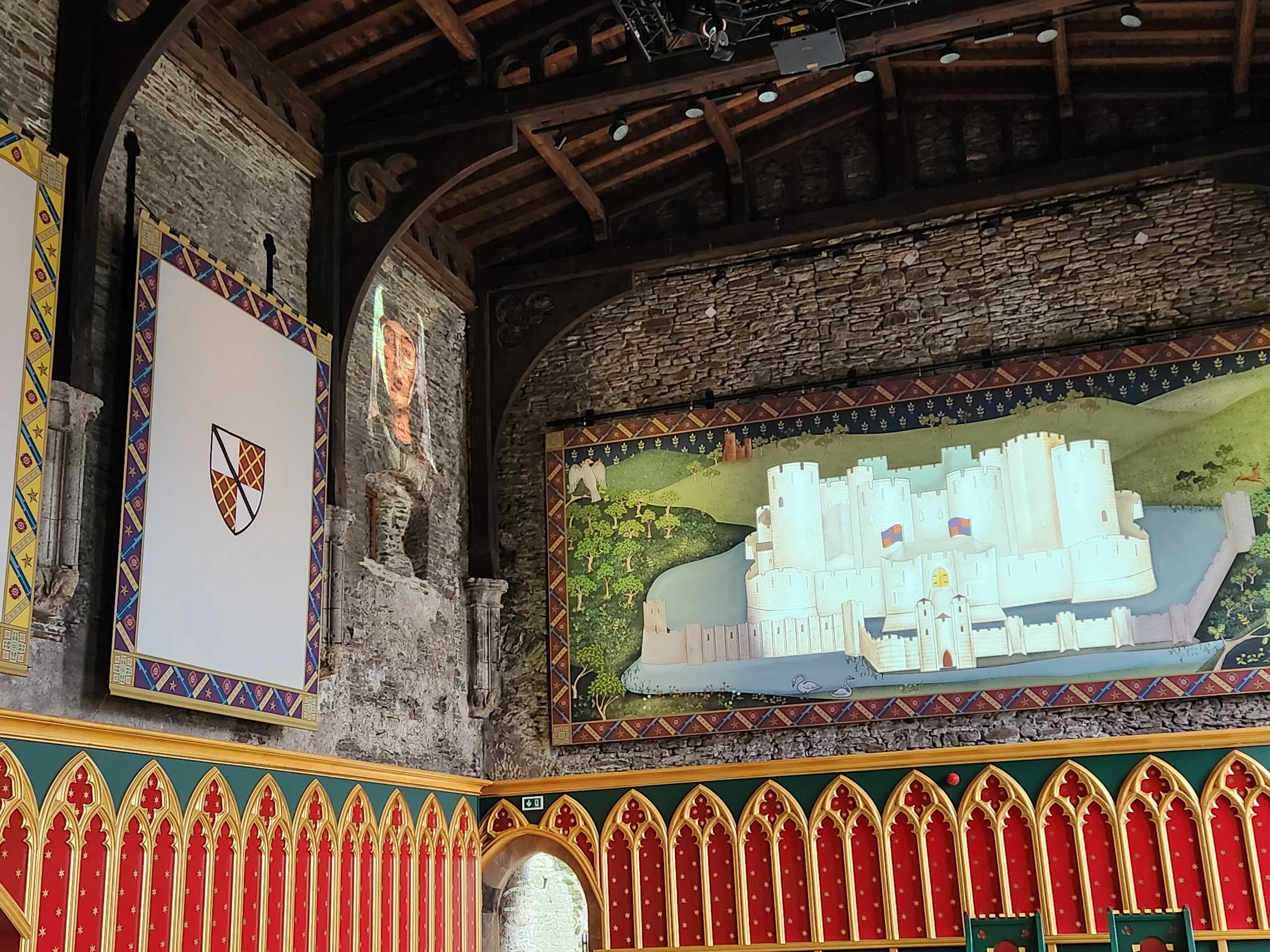
In the Great Hall, animated storytelling spans two walls, using mirror-head projectors to achieve the effect of seven static units, reducing both running costs and carbon footprint. The huge centrepiece tapestry projection blends static print with seamlessly integrated dynamic reveals for maximum effect.
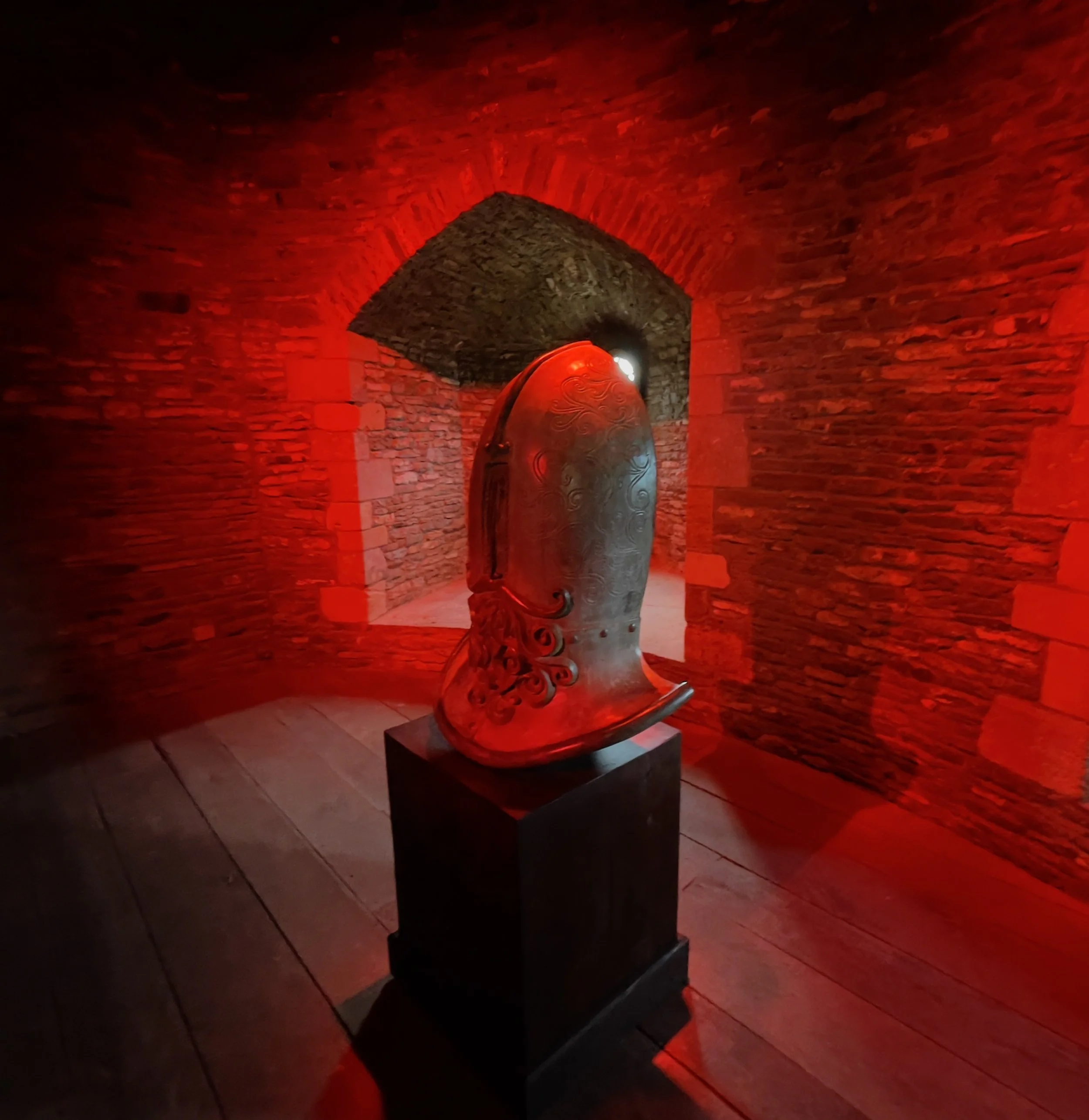
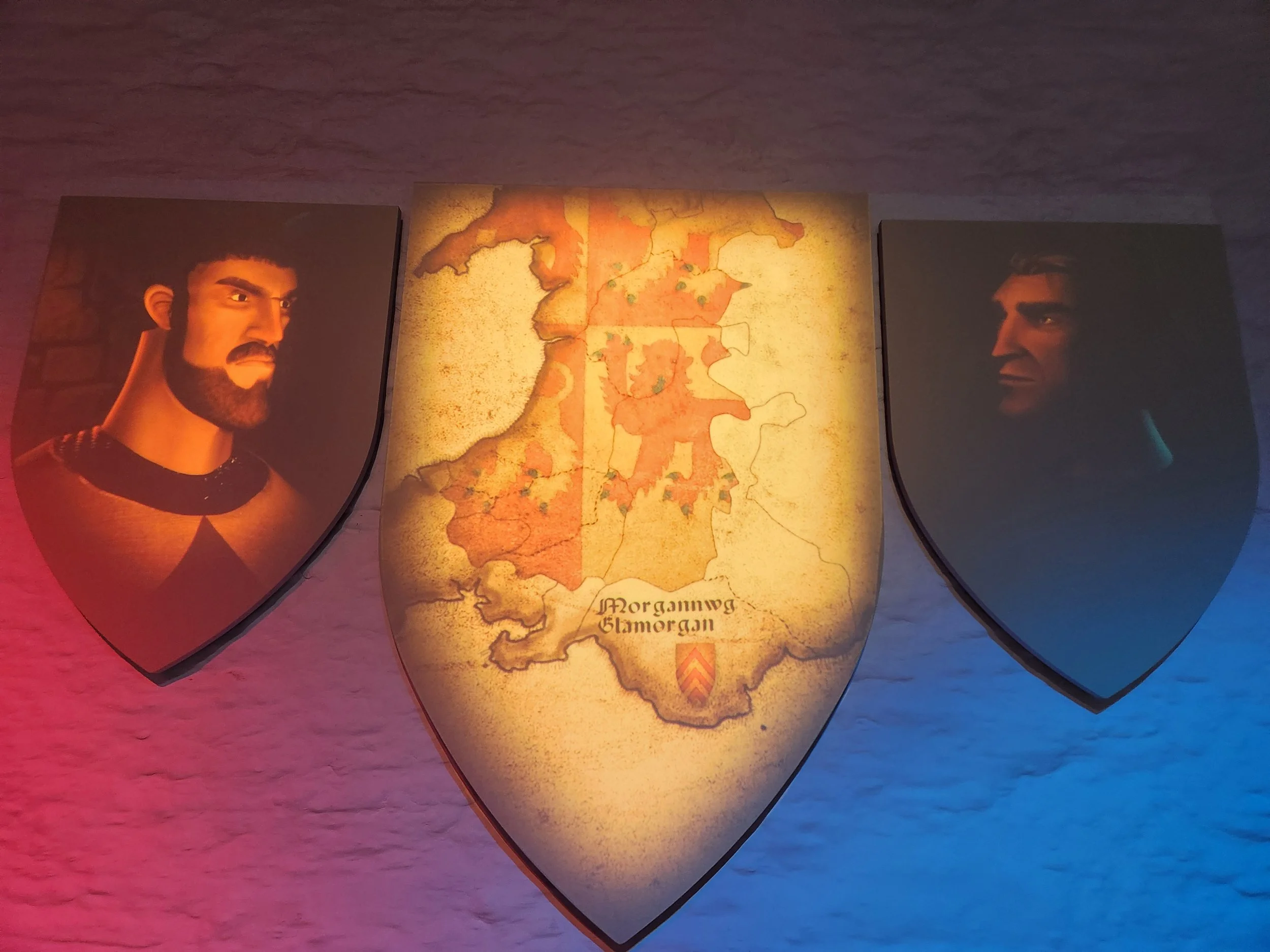
In the Constable Chamber, a concealed projector and “invisible” speakers embedded in the chair itself bring prominent noblewoman, Eleanor de Clare, to life without visible tech. The South Guard Room uses atmospheric red and blue lighting to draw visitors in, projecting onto shields in a space with low ceilings and tight concealment constraints.
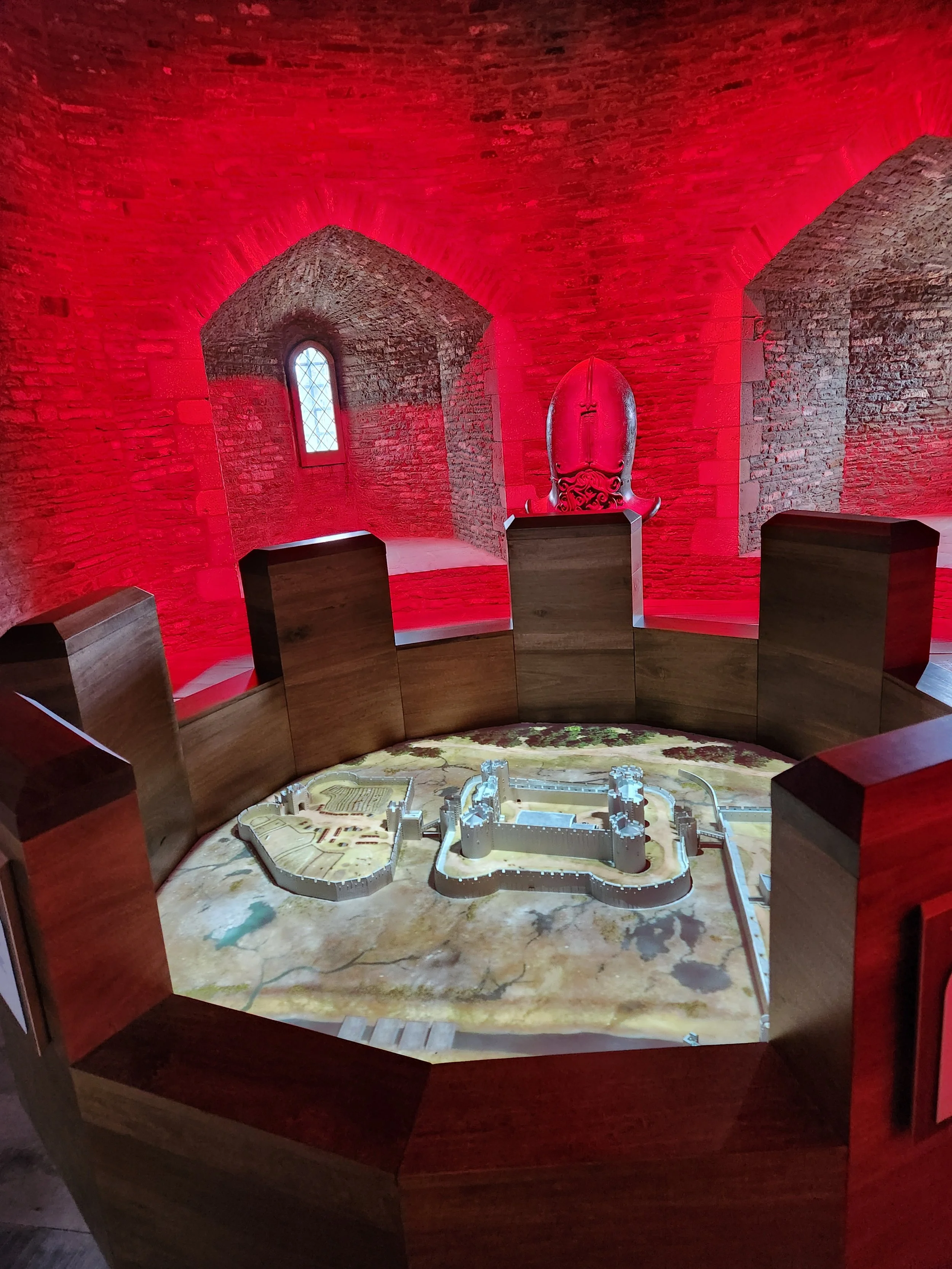
In the South Chamber, Blackbeam fed into the fit out to optimise projections onto the 3D printed castle model centrepiece. A custom ceiling raft, protected equipment from water damage from the leaking roof. In the De Braose Gallery, directional sound guides visitors along a 50m passage, whispering the castle’s secrets into their ears.
The result is a multi-layered, immersive experience — created with ingenuity, restraint, and a deep respect for Caerphilly’s historic fabric.
The Challenge
Heritage site work often means integrating systems seamlessly into centuries-old environments without drilling or damaging fabric and ensuring cabling and fittings remain unobtrusive. Every heritage site is unique, but they share a common set of complexities: fragile, protected structures - where even the grout may be listed - dimly lit interiors and damp conditions. Installing equipment often means working in tight spaces and at height without powered lifts.
The Process
Blackbeam joins projects at the earliest concept stages, working closely with design teams, contractors, and heritage officers to ensure every step, from risk assessments to technical plans, earns the necessary approvals. Where no CAD drawings exist, Blackbeam generates digital twins of buildings to precisely map projection and lighting. Value engineering is key, with systems designed to be future-proof, adaptable, and simple for site staff to use. Previous projects inform each new installation, ensuring a continually refined approach.
The Goal
The aim is sympathetic integration with technology that disappears into its surroundings, preserving the magic of the visitor experience. Lighting is more than illumination — it shapes mood, guides movement, and draws attention to key architectural features without overwhelming them. Every design choice balances atmosphere with practical needs such as inspections and cleaning once visitors have left. Projection mapping augments interpretation, casting characters, textures, and narratives directly onto the fabric of the building by transforming walls, objects, and furnishings into living story spaces.
The Result
Visitors leave with a deeper connection to the site’s history, unaware of the discreet infrastructure that made it possible. For heritage organisations, this means a powerful, flexible interpretive tool for engaging contemporary audiences, harnessing the potential of modern tech while honouring the building’s legacy.
In Collaboration with